


By Michelle Daniel
CEO, The Eden Alternative, Inc.
By the time the first attendees arrived in Atlanta, we had already been living this conference for months.
Planning something like the Eden Alternative International Conference isn’t just logistics, it’s a long series of decisions about what matters. Who gets centered. What voices are amplified. What kind of space we are hoping to create.
There are conferences you attend, and then there are gatherings that fundamentally shift how you see the world. The 2026 Eden Alternative International Conference, held March 9–12 in Atlanta, Georgia, was unmistakably the latter.
Set against the backdrop of a city known for its civil rights legacy and spirit of reinvention, this year’s conference carried the theme “In Unity, We Thrive: Inspiring Change, Creating Connection.” It was more than a tagline; it was a lived experience that unfolded in every keynote, panel, hallway conversation, and shared meal.
Hosted at the Courtland Grand Hotel and co-created with the Dementia Action Alliance, the conference brought together a diverse, global community: elders, care partners, clinicians, advocates, researchers, and most importantly people living with dementia themselves.
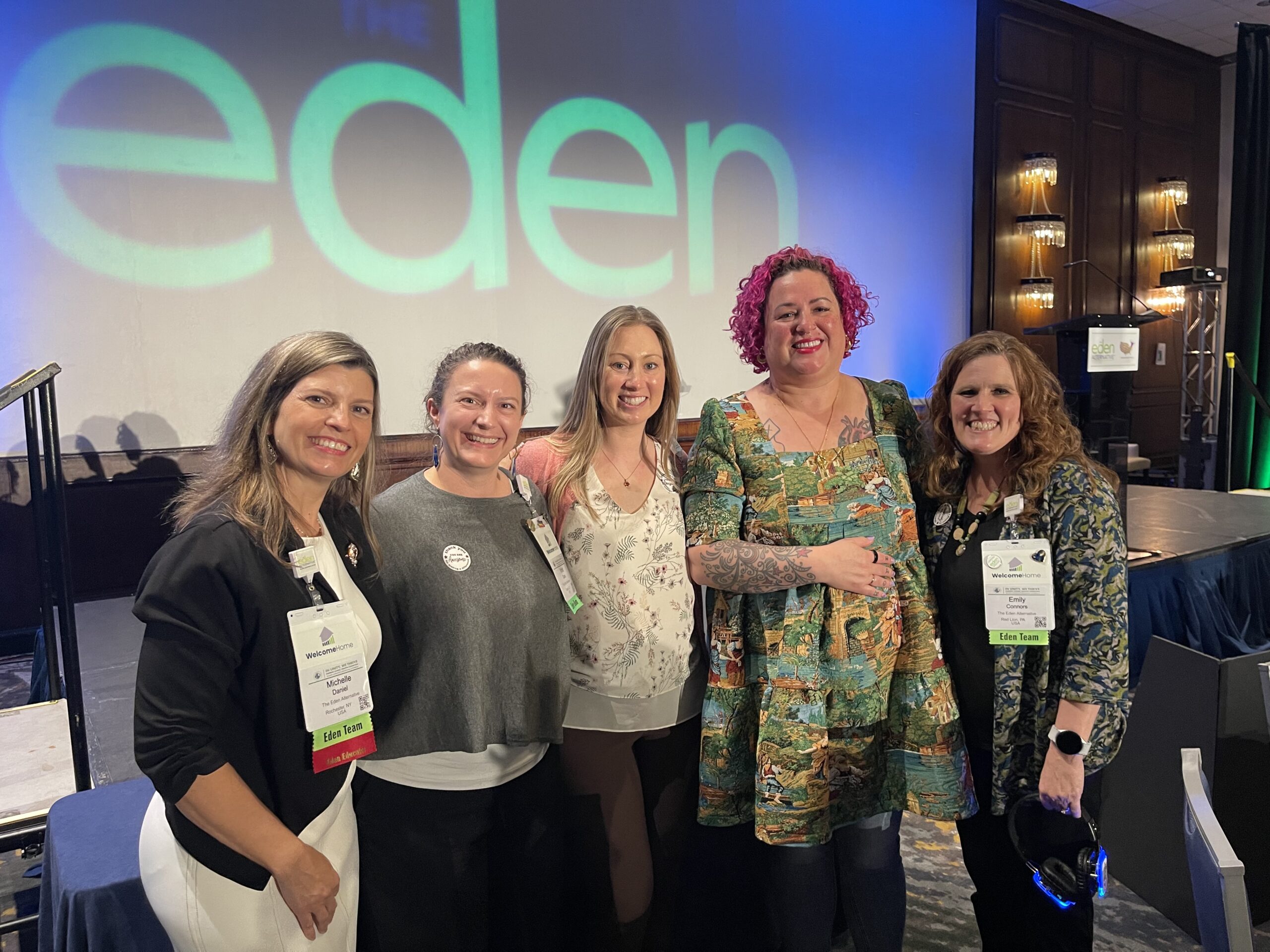
A Different Kind of Gathering
From the moment attendees arrived, it was clear this was not a typical professional conference. There was an intentional dismantling of hierarchy. Titles mattered less than stories. Expertise was not confined to credentials but expanded to lived experience.
The Eden Alternative has long championed person-directed living, a philosophy that prioritizes autonomy, meaning, and connection over institutional routines. At this conference, that philosophy was not just discussed; it was embodied.
Sessions weren’t just lectures, they were conversations. Panels weren’t just expert-driven, they included voices of those navigating aging and dementia firsthand. The voices heard were from around the world, diverse and desiring collaboration. This blending of perspectives created something rare: a space where innovation felt grounded in humanity.
The Power of “Nothing About Us Without Us”
One of the most profound undercurrents of the conference was the influence of the Dementia Action Alliance (DAA), which became an outreach mission of The Eden Alternative within the last year. As a co-host, DAA ensured that the voices of people living with dementia were not peripheral, they were central. The DAA Advisory Board was involved in planning, presenting, and collaborating.
This commitment aligns with a powerful guiding principle often echoed in advocacy spaces: “Nothing about us without us.”
In practice, this meant that sessions on dementia were not solely about care strategies or clinical frameworks. Instead, they explored identity, stigma, relationships, and the daily realities of living with cognitive change. Individuals shared personal narratives that were at times raw, often inspiring, and always illuminating.
One speaker living with dementia reframed the condition not as a loss of self, but as a shift in perception; a different way of experiencing the world. That what she needed most was a support system to walk alongside her, rather than do things for her. There was a clear message of hope. That perspective challenged many in the room to reconsider long-held assumptions.
It also underscored a critical truth provided in The Eden Alternative’s Principle 8: Decision-making must involve those most impacted by the decision. Empowerment activates choice, autonomy, and influence.
From Caregiving to Care Partnership
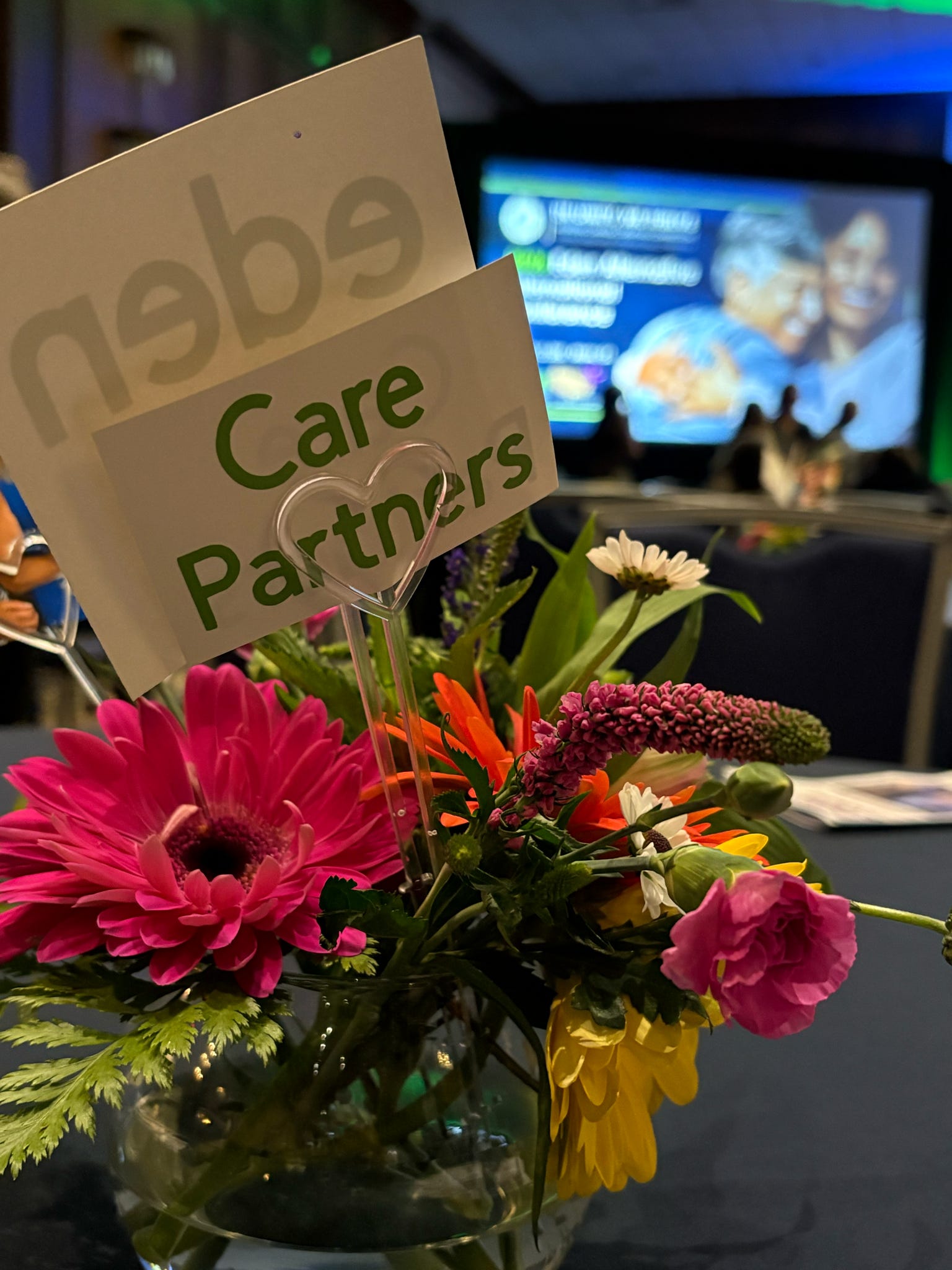
A recurring theme throughout the conference was the shift from “caregiving” to “care partnership.” This subtle change in language reflects a profound transformation in mindset.
Traditional models of care often position older adults, especially those living with dementia, as passive recipients. In contrast, the Eden Approach© emphasizes agency, reciprocity, and mutual respect.
Sessions explored how this approach can be applied across settings—from long-term care communities to home-based support. Discussions highlighted practical strategies, such as:
- Designing environments that promote independence rather than dependence
- Creating daily rhythms based on individual preferences instead of institutional schedules
- Encouraging intergenerational connections that bring purpose and joy
These ideas are not new, but what felt different at this conference was the urgency and collective commitment behind them. There was a palpable sense that the field is at a turning point, and that culture change is no longer optional.
The Role of Community in Transformation
If there was one word that captured the spirit of the conference, it was connection.
In a world still grappling with the long-term impacts of isolation and loneliness, particularly in eldercare settings, the emphasis on community felt both timely and necessary.
Sessions and panels explored how relationships serve as the foundation for Well-Being. Whether through storytelling, shared activities, or simply being present with one another, connection was framed as essential, not supplemental, to quality of life.
The conference also highlighted innovative programs that bridge gaps between generations. From youth engagement initiatives and local collegiate volunteers to community-based partnerships, these efforts demonstrate that aging is not a siloed experience, it is a shared human journey that needs whole community engagement.
Leadership Reimagined
Another standout topic of the conference was ithe importance of wise leadership in creating spaces where all people involved thrive. Rather than focusing on how to improve top-down management, sessions emphasized distributed leadership, where everyone from frontline staff to family members plays a role in shaping the culture.
Speakers challenged attendees to rethink traditional power dynamics and to create environments where all voices are valued. This includes empowering direct care team members, who are often the backbone of eldercare systems yet frequently underrecognized. Stories of success were shared and sustainability was proven.
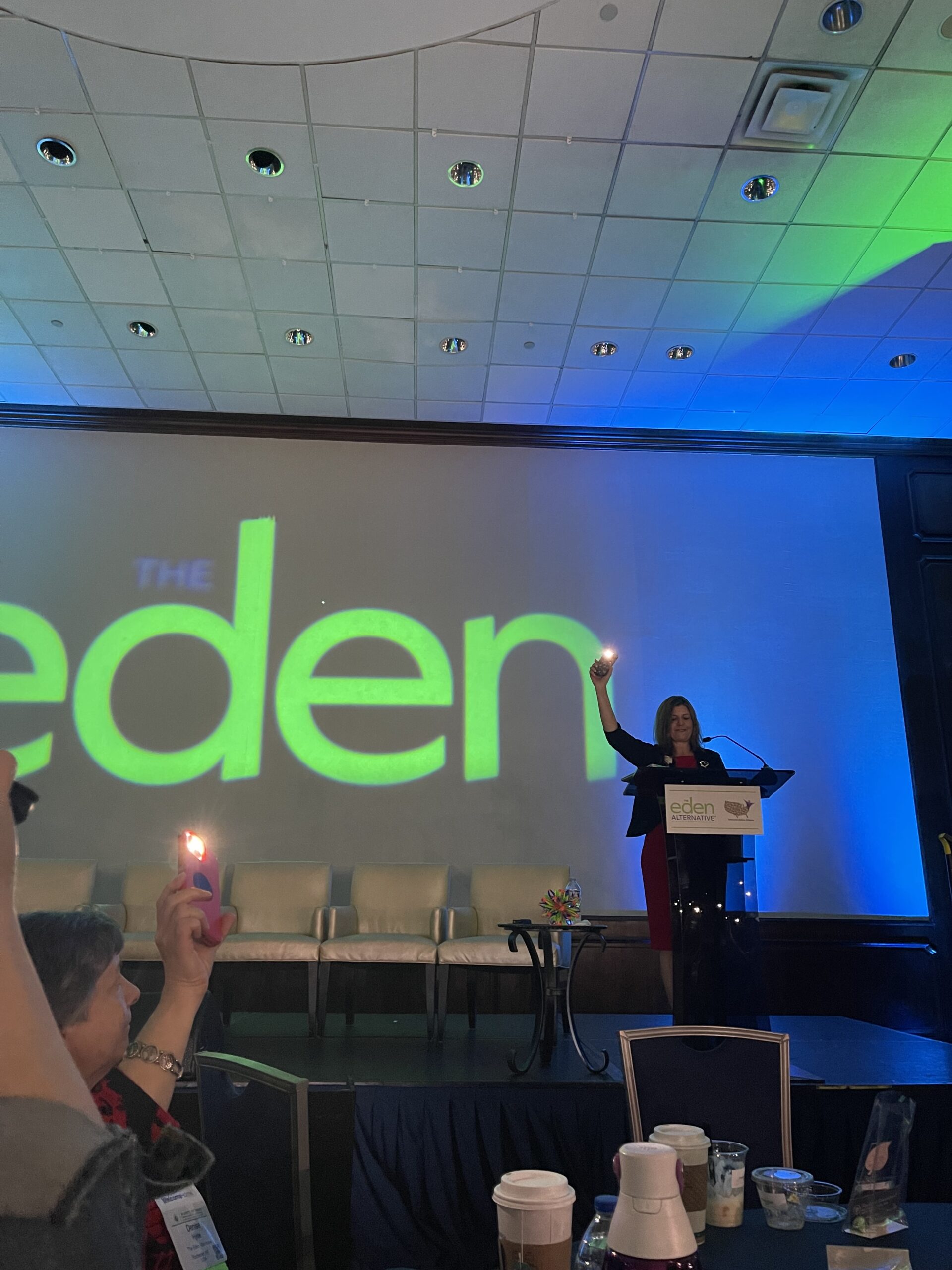
The message was clear: sustainable change requires not just visionary leaders, but inclusive ones.
Innovation Rooted in Humanity
While the conference showcased cutting-edge ideas, ranging from technological tools to new care models, it consistently returned to a central question: Does this enhance human connection and well-being? This grounding prevented innovation from becoming abstract or disconnected from real-world impact.
For example, discussions around virtual reality and digital engagement were framed not as replacements for human interaction, but as tools to enhance it. Similarly, conversations about workforce development focused not just on efficiency, but on creating meaningful, fulfilling roles.
In this way, the conference struck a balance between forward-thinking and deeply human-centered approaches.
Atlanta as a Meaningful Setting
Hosting the conference in Atlanta added another layer of significance. As a city with a rich history of social change, Atlanta served as a fitting backdrop for conversations about transformation and equity. The energy of the city, dynamic, diverse, and resilient, mirrored the themes of the conference.
Attendees had the opportunity to step outside the conference space and experience the broader community, further reinforcing the idea that aging and care are not confined to institutions; they are woven into the fabric of society.
Personal Reflections: What I’m Taking Forward
Leaving the conference, I found myself reflecting not just on what I learned, but on how I felt.
There was a sense of grounded hope that was not based in naiveté. The challenges facing eldercare are complex and deeply entrenched. Workforce shortages, systemic inequities, and societal attitudes toward aging are not easily resolved.
And yet, this conference offered a vision of what is possible when people come together with intention and compassion.
Three key takeaways continue to resonate with me:
1. Inclusion is non-negotiable
The involvement of people living with dementia is not a “nice-to-have”, it is essential. Their insights challenge assumptions and lead to more effective, empathetic approaches.
2. Language shapes reality
Shifting from “caregiving” to “care partnership” may seem small, but it reflects a deeper transformation in how we view relationships and roles.
3. Culture change starts with connection
Policies and practices matter, but at the heart of meaningful change are relationships. Building connection, between individuals, communities, and systems, is the foundation for everything else.
Looking Ahead
As the conference concluded, there was a shared understanding that real work begins after we return home.
The ideas, inspiration, and connections forged in Atlanta must now be translated into action, within organizations, communities, at home, and in everyday interactions.
The Eden Alternative International Conference serves as a catalyst for ongoing learning and collaboration, but its impact extends far beyond those few days. It lives on in the conversations we continue, the changes we implement, and the ways we choose to see and support one another.
Final Thoughts
“In Unity, We Thrive” is more than a theme; it is a call to reimagine what aging and support services can look like.
It invites us to move beyond systems that prioritize efficiency over humanity and toward communities and partnerships that celebrate connection, purpose, and possibility at every stage of life.
The 2026 conference in Atlanta was a powerful reminder that change is not only necessary, but also already underway. We need to celebrate the strides already taken! It also showed that when we come together across roles, experiences, and perspectives we don’t just improve eldercare; we transform it.
If you are interested in learning more about The Eden Alternative or Dementia Action Alliance, please visit our websites: www.edenalt.org and www.daanow.org.
